THE KARACHI ARCHIVE
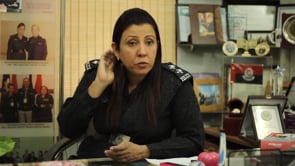
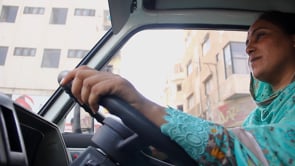
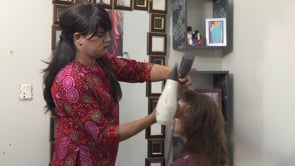
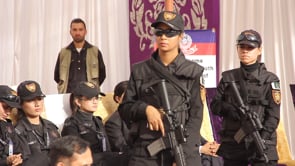
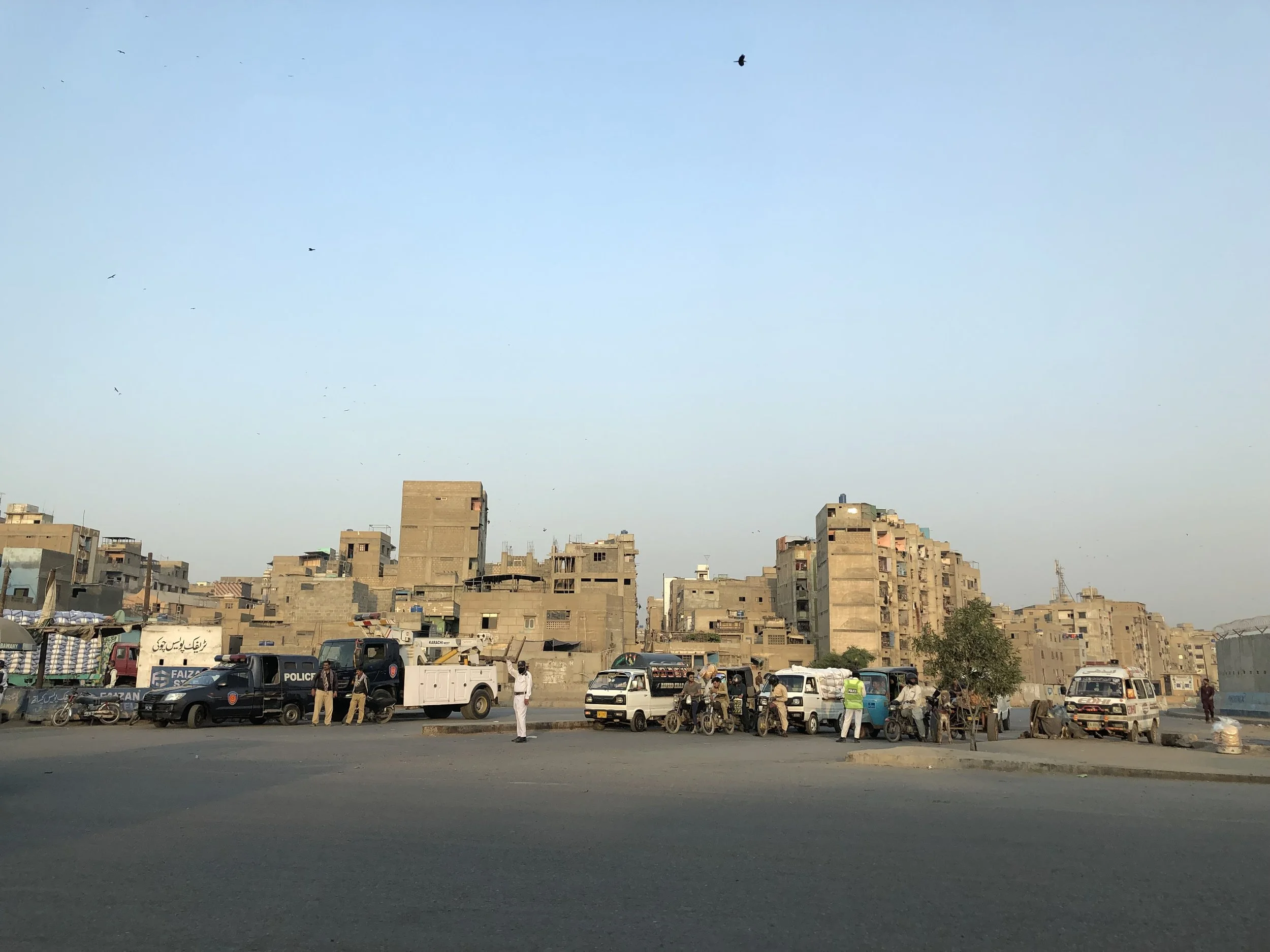
Building on over a decade of filmic-ethnographic work by Jürgen Schaflechner in Karachi (2012–present), The Karachi Archive is a growing collection of short films that explore the city. Ranging from three to seven minutes, these intimate portraits draw inspiration from the work of the two Austrian filmmakers Elisabeth T. Spira and Ulrich Seidl. Each film captures a distinct part of daily life in Karachi—protest, dance, addiction, sport, mobility, security, women's rights, religion, crisis, healing, and more. Viewed together, they form a dynamic mosaic that brings the city to life—an attempt to approach this ever-evolving megacity's simultaneous diversity and constant motion.
The films are thematically structured and tagged with keywords, allowing intuitive navigation through the archive. You'll find a list of these keywords on the left side, offering different entry points into the material and inviting viewers to explore Karachi's complexity through a wide range of perspectives and topics.
The archive, presented in a linear narrative form, serves as an approach to representing the city of Karachi. It is embedded within a larger project that explores the city and its diversity and critically engages with the concept of representation itself. In an associated project, the individual films are broken down into smaller segments and thematically restructured. This results in a Korsakow film, created by Christoph Marx and Jürgen Schaflechner. Korsakow films are generative, interactive, and non-linear, allowing for a flexible, rule-based structure where the viewer's interaction determines the sequence of content. Unlike traditional linear narratives, this non-linear form invites the audience to actively participate in the storytelling process. By juxtaposing the Korsakow film's dynamic, viewer-driven approach with the more fixed, linear archive, the project offers an exploration of how the complexity and vibrancy of the city can be represented and experienced. The Korsakow film is coming soon.